Figma

PropTech
Product Designer
100+
Screens Designed
15+
Workflows Improved
4
Core Products
5+
User Interviews
Screens Designed
Workflows Improved
Core Products
User Interviews
At Aareon, I worked as the sole Product Designer within a cross functional team of product managers and developers, responsible for improving and modernising software used by housing associations, local authorities, and contractors across the UK. My role covered the full product lifecycle, from research and discovery through to prototyping, stakeholder alignment, and delivery. Working across multiple products including Management Studio, Repairs Management, Contractor Forms, and Aareon Connect, I redesigned complex workflows, improved existing functionality, strengthened the design system, and helped shape future product direction through user centred design.
Research played an important role in shaping design decisions across Aareon's products. Through monthly and ad hoc sessions with housing providers, local authorities, and contractors, I gathered feedback on existing experiences and validated future concepts. These conversations provided direct insight into how users completed tasks in real world environments and helped uncover friction that internal teams were often unaware of.
Because users ranged from office based housing teams to field based contractors, understanding context was critical. Research helped identify where workflows had become overly complex through years of product evolution and highlighted opportunities to improve efficiency, reduce cognitive load, and create more intuitive experiences.
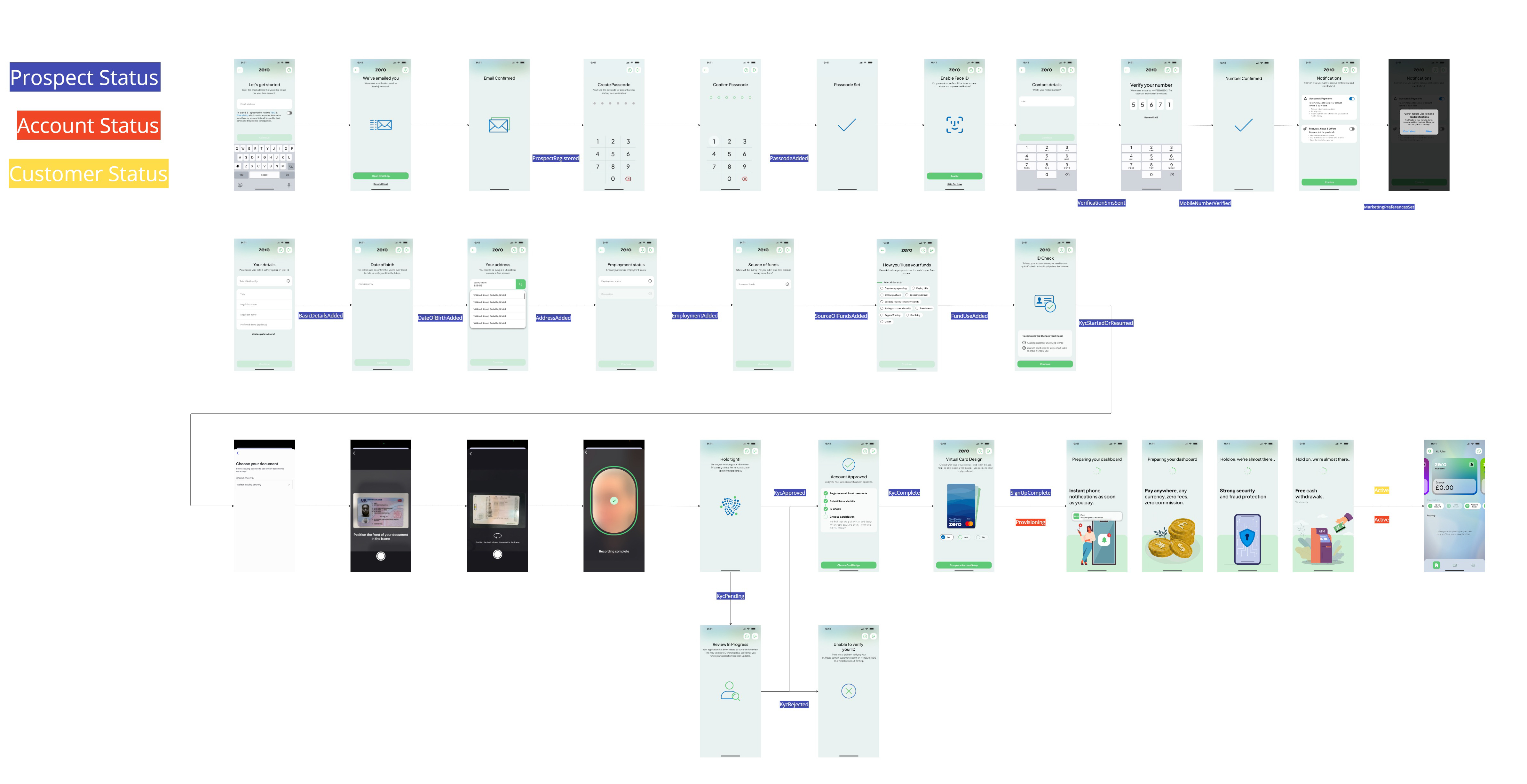
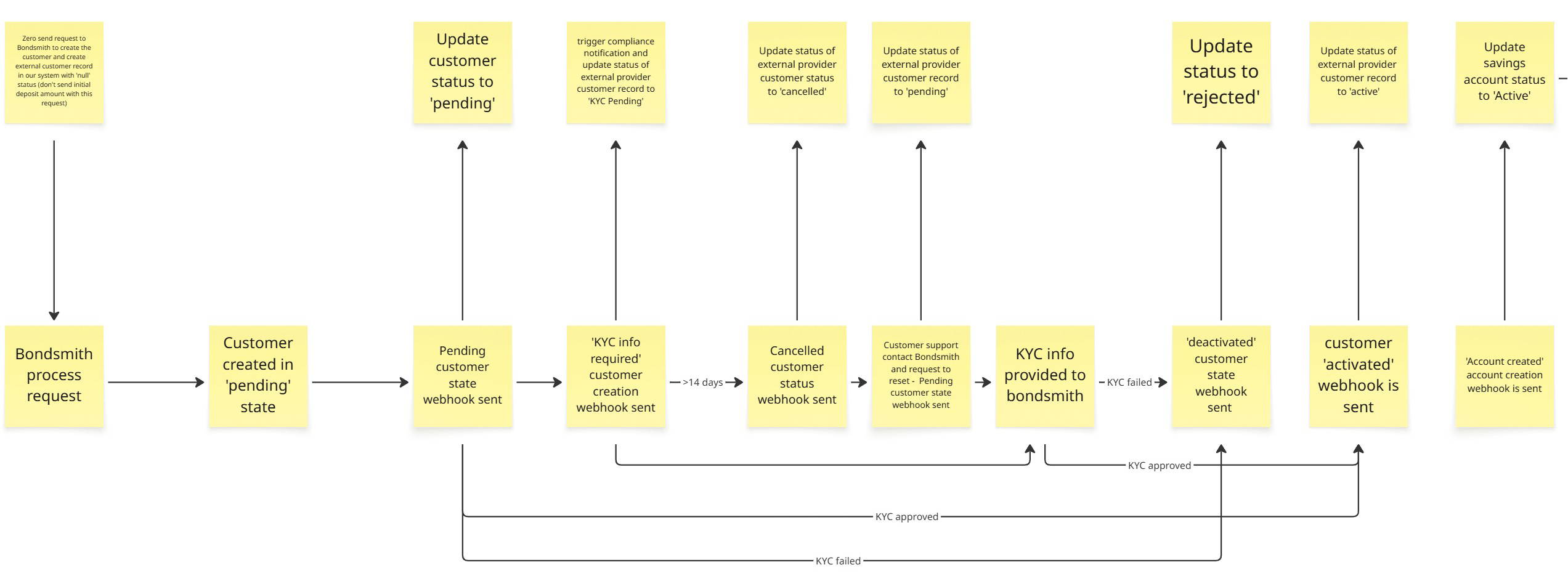
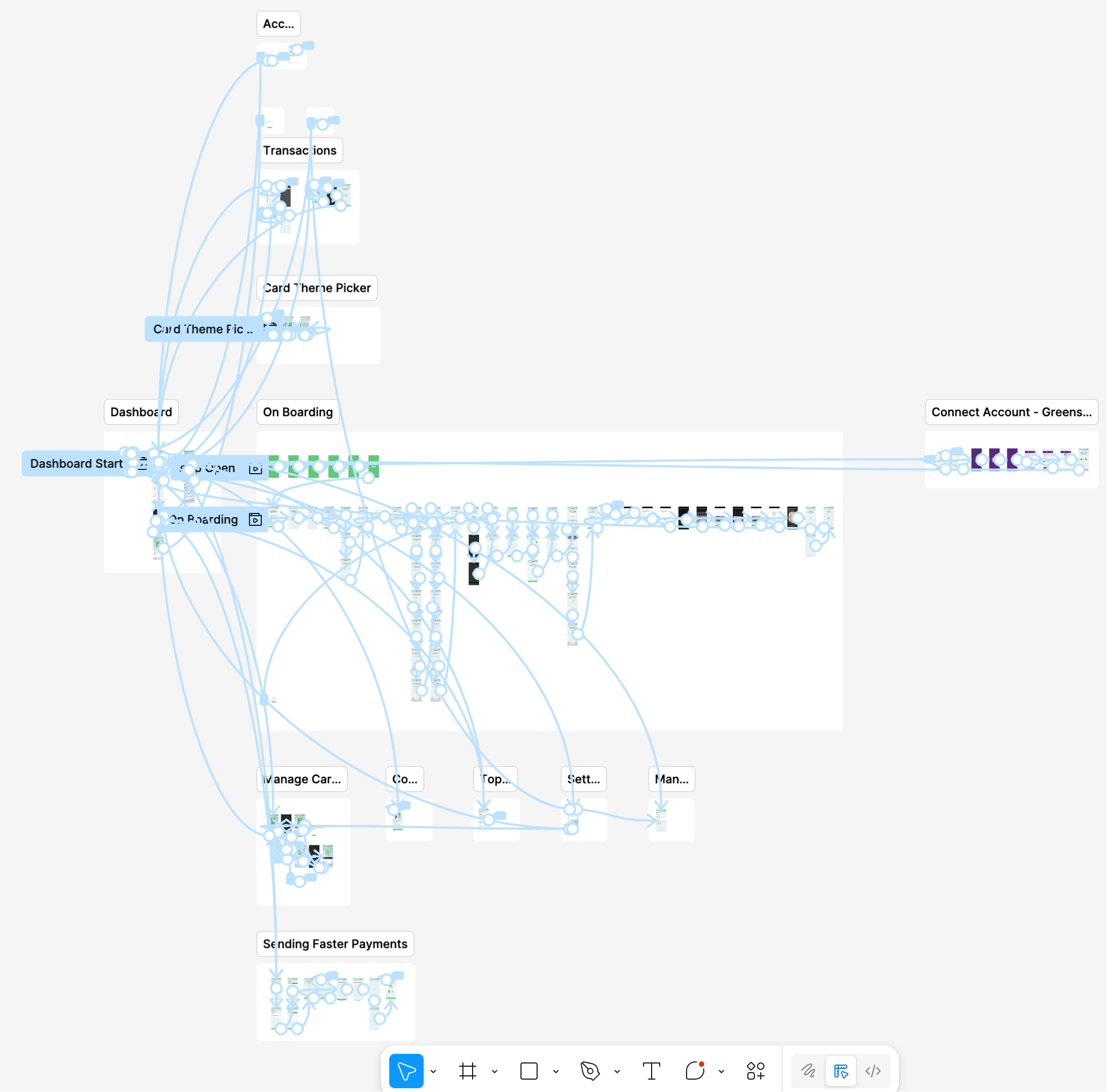
In more complex scenarios, a linear journey was not enough. Interactions involving KYC, external providers, and changing customer states required mapping multiple outcomes rather than a single path. This reinforced that product design is not always clear cut, requiring adaptability to real-world constraints while still delivering a clear and consistent user experience.
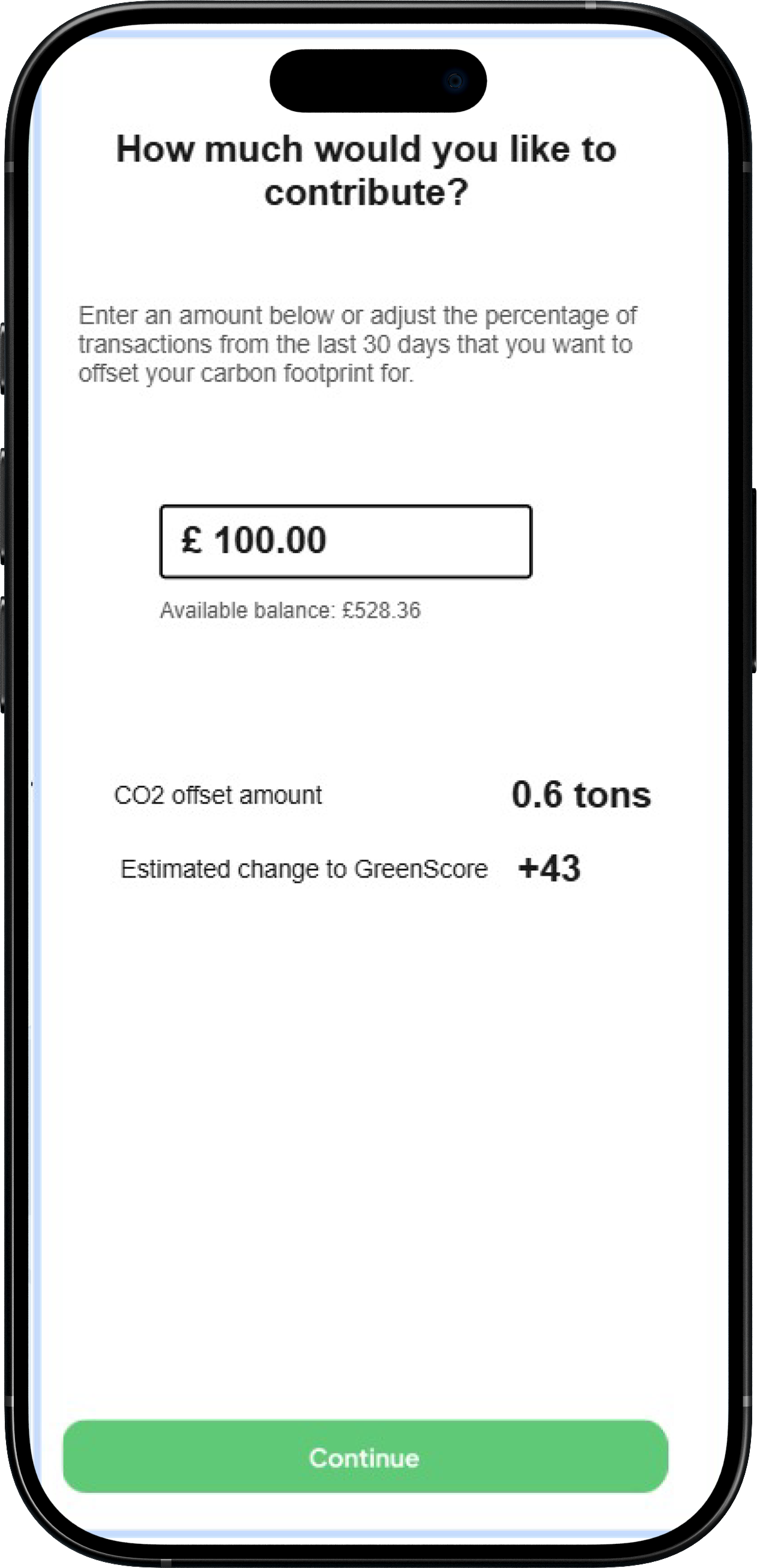
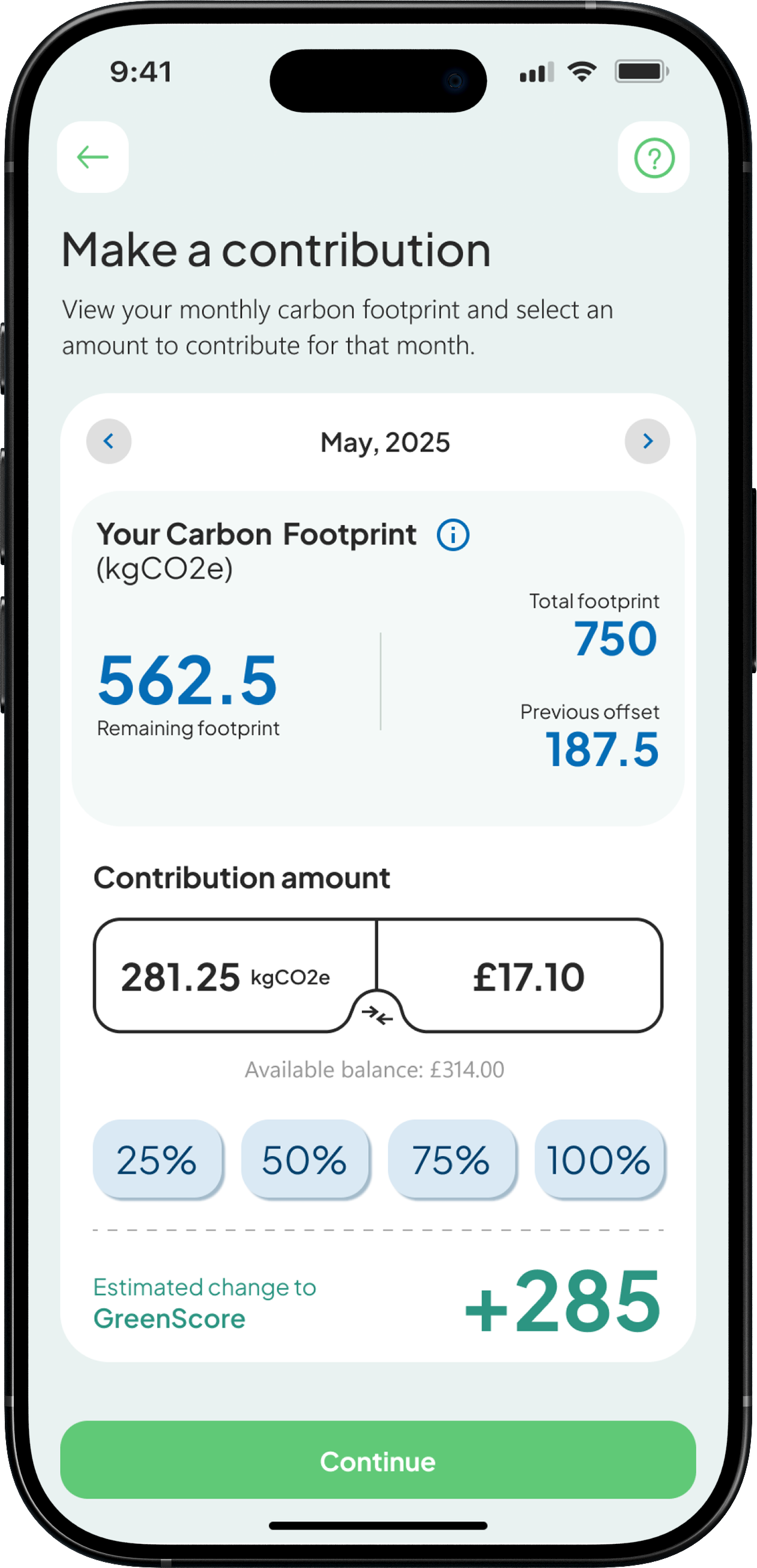
I moved from low to high fidelity to take ideas from rough concepts through to production. Wireframes let me quickly map out flows and structure, while high fidelity designs refined the detail, interactions, and usability. This kept things moving fast early on, while making sure the final experience was solid and ready to build.
Wireframe
Low fidelity
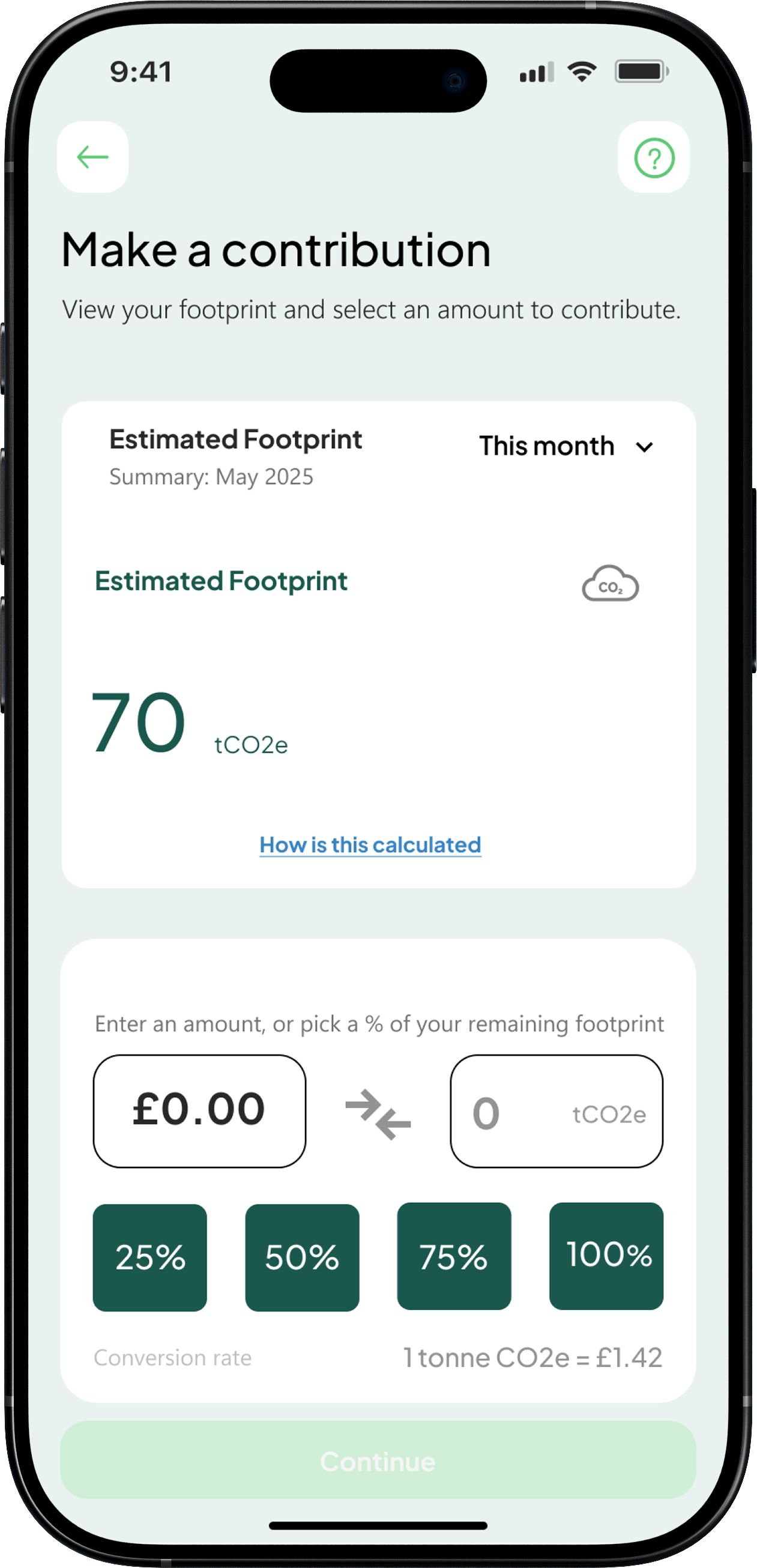
High fidelity
I used Figma prototypes to test flows and interactions, helping identify friction early and refine the experience before development. These prototypes were also used to align stakeholders and support early funding discussions.
My work spanned multiple enterprise products, each serving different user groups, workflows, and business objectives. Rather than focusing on a single platform, I was responsible for improving experiences across a connected product ecosystem used daily by housing professionals and contractors throughout the UK.
This required balancing strategic thinking with day to day product delivery, ensuring improvements met user needs while remaining technically feasible and aligned with business goals.
Dashboard
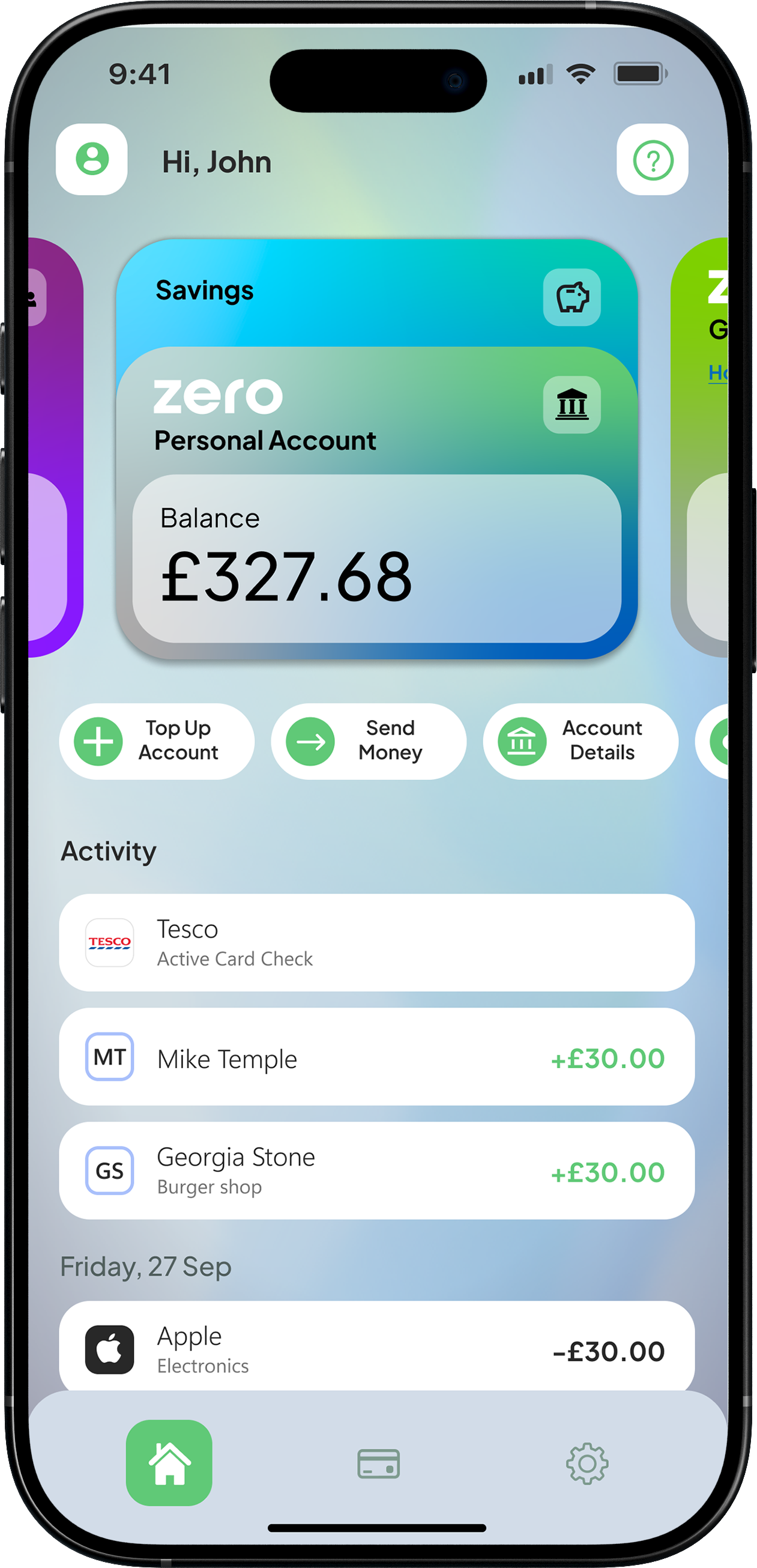
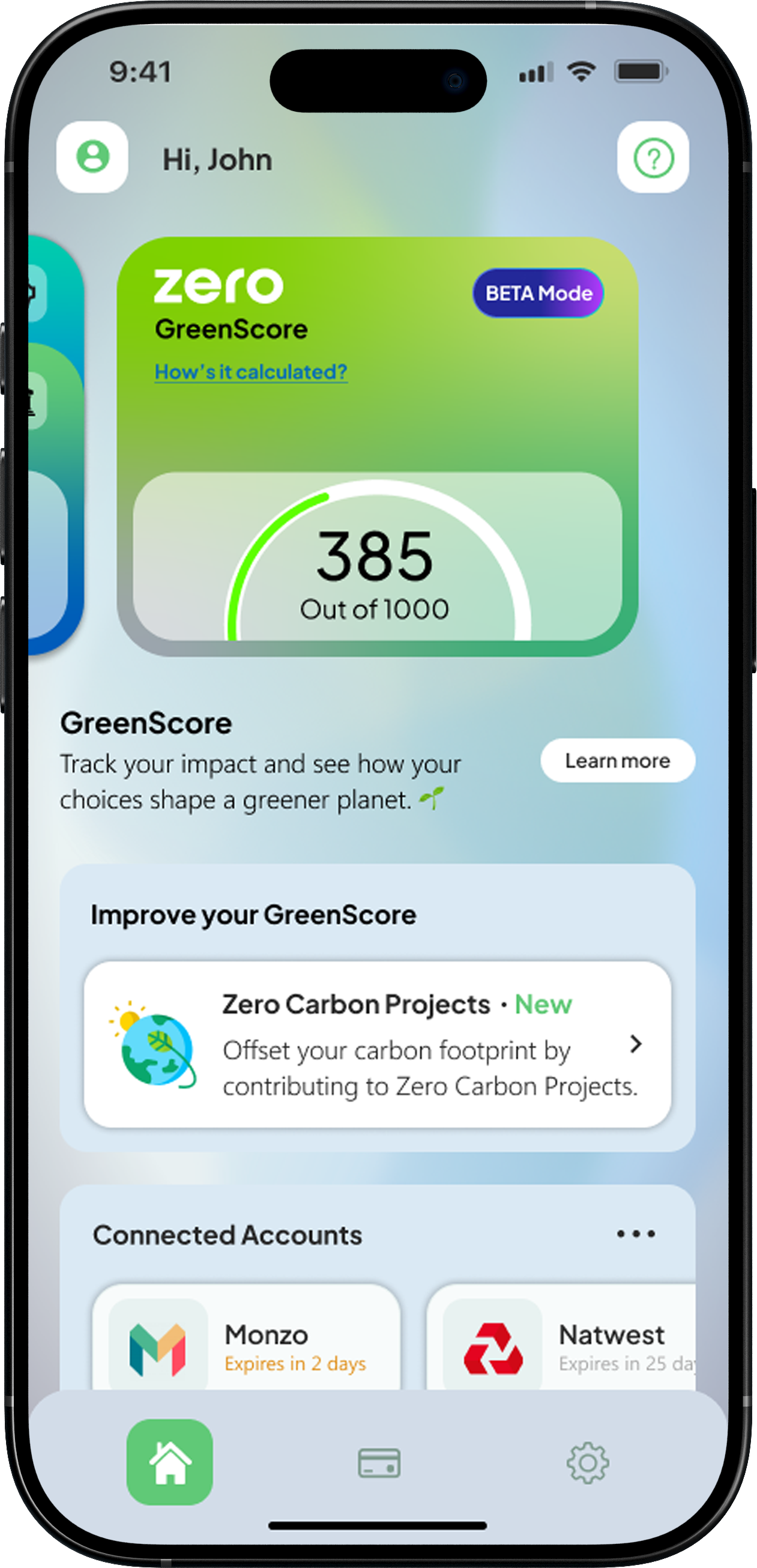
GreenScore
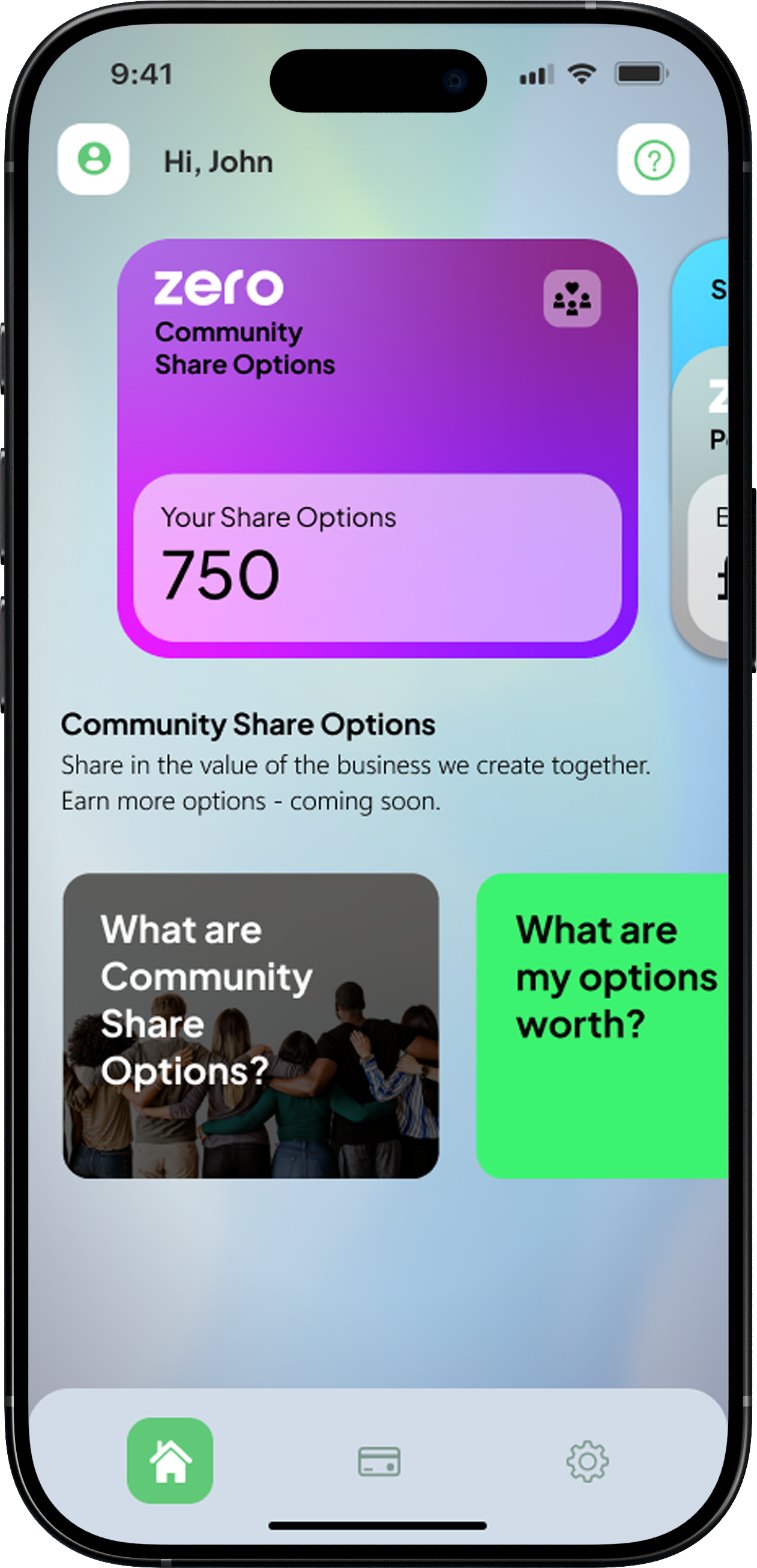
Community options
Carbon offsetting
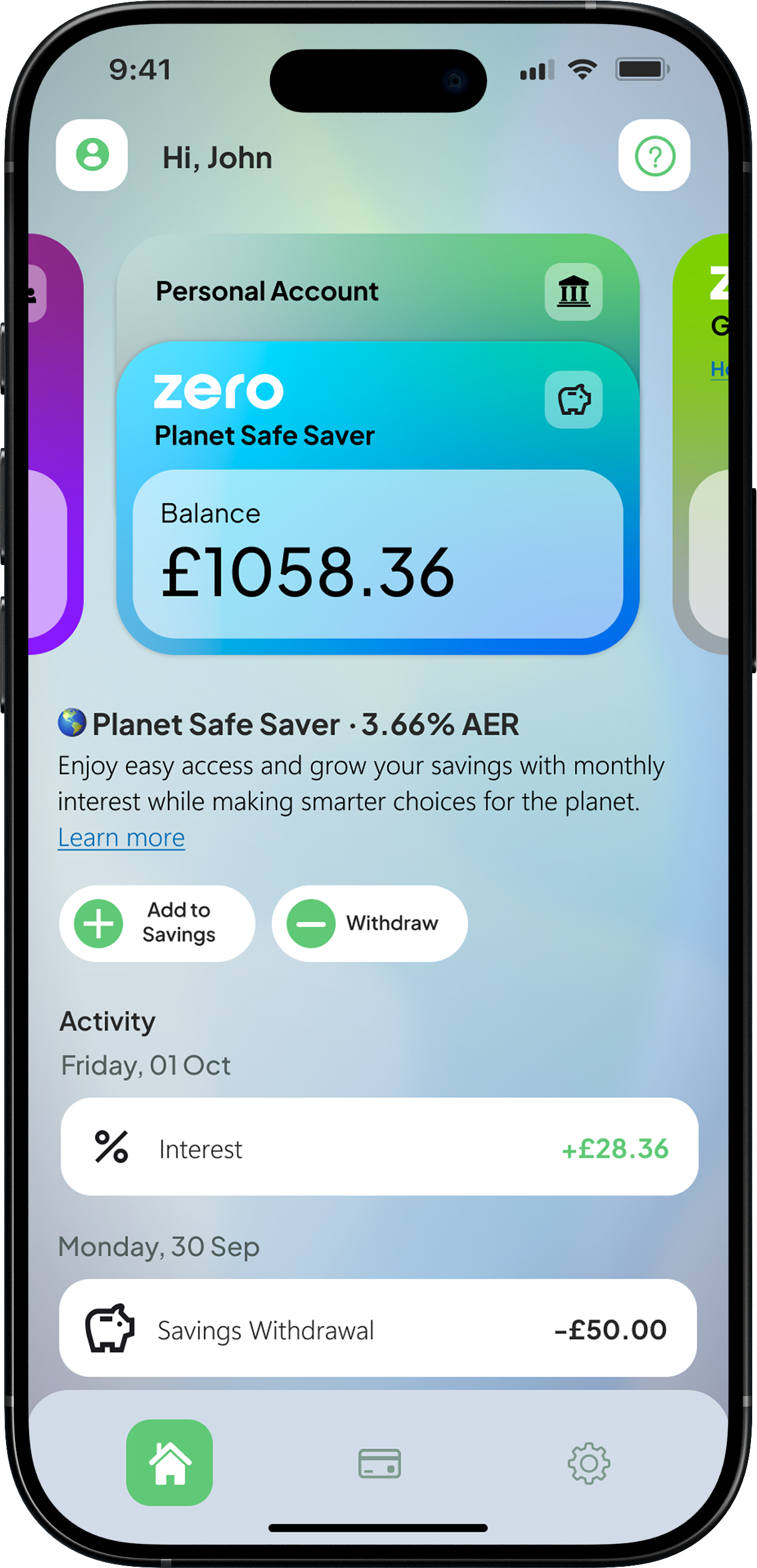
Savings
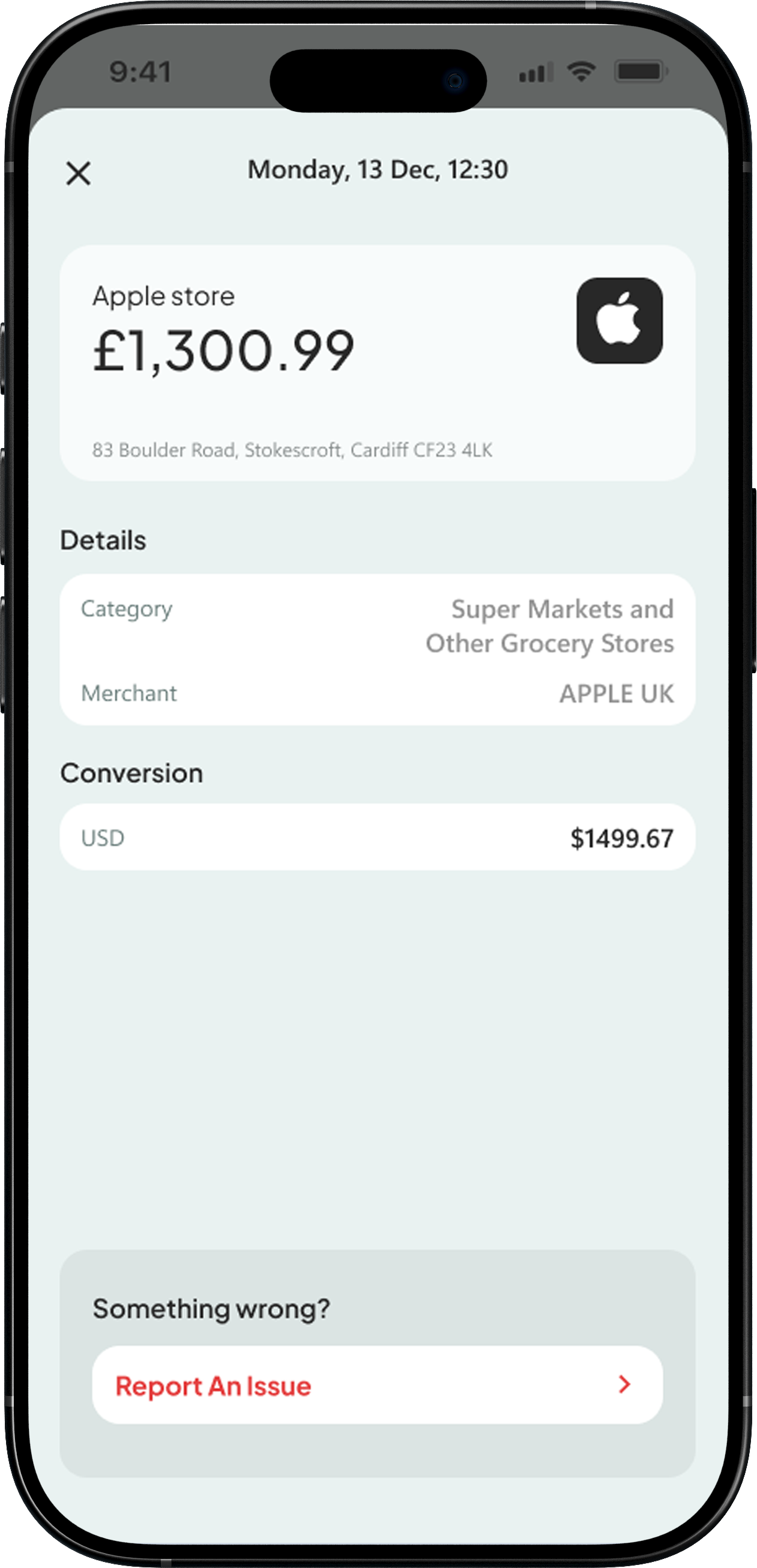
Transaction
Card
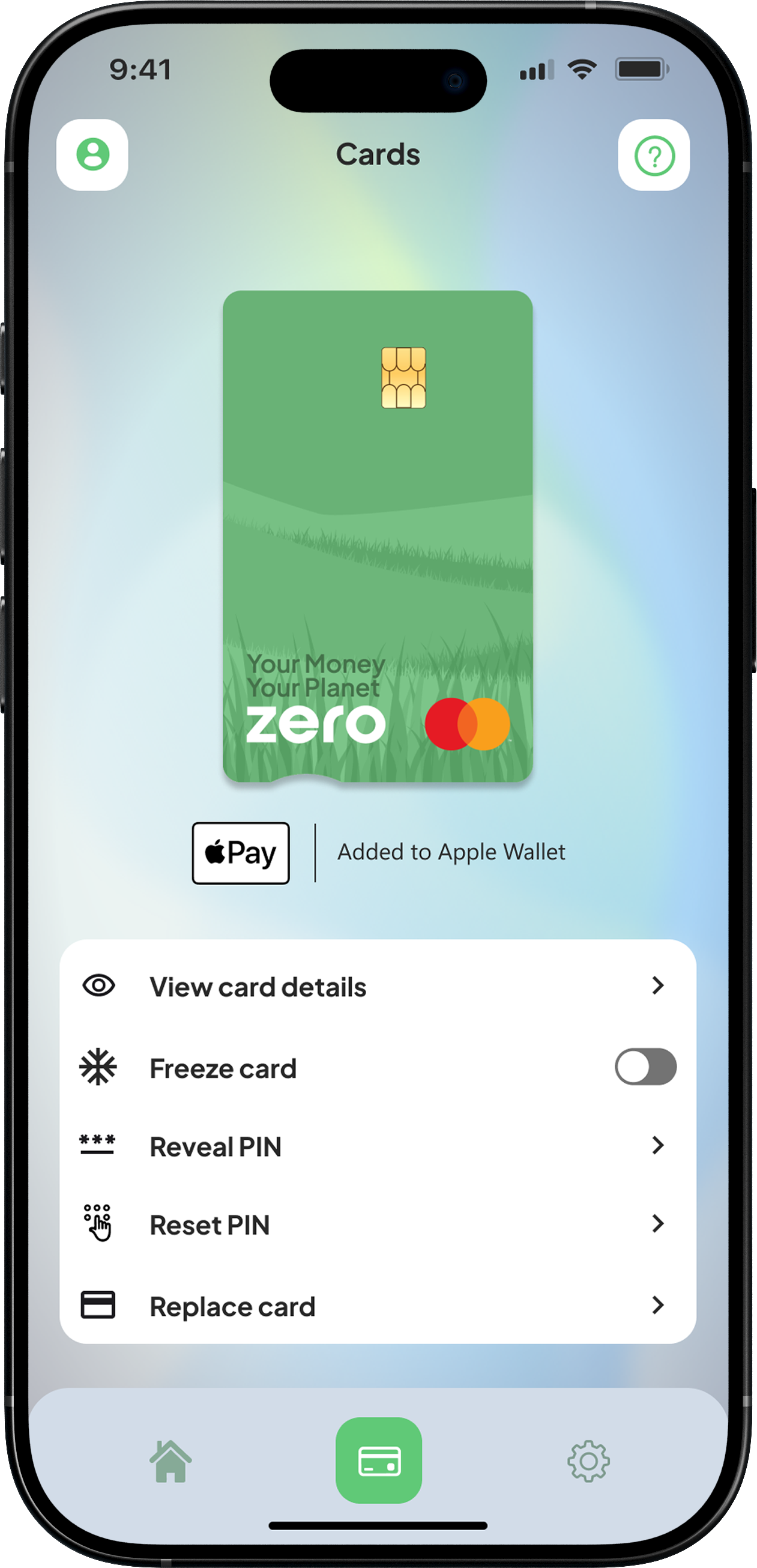
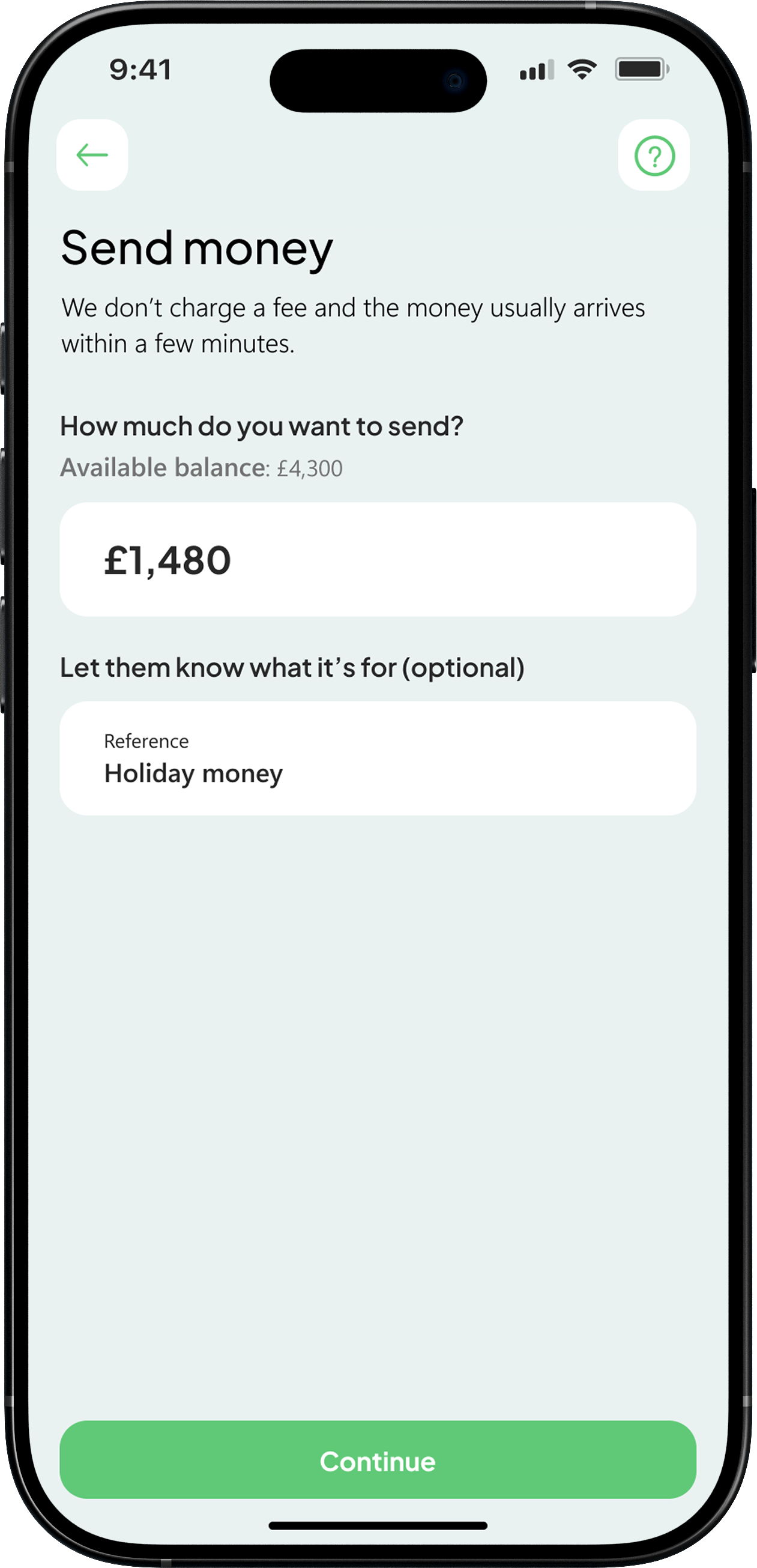
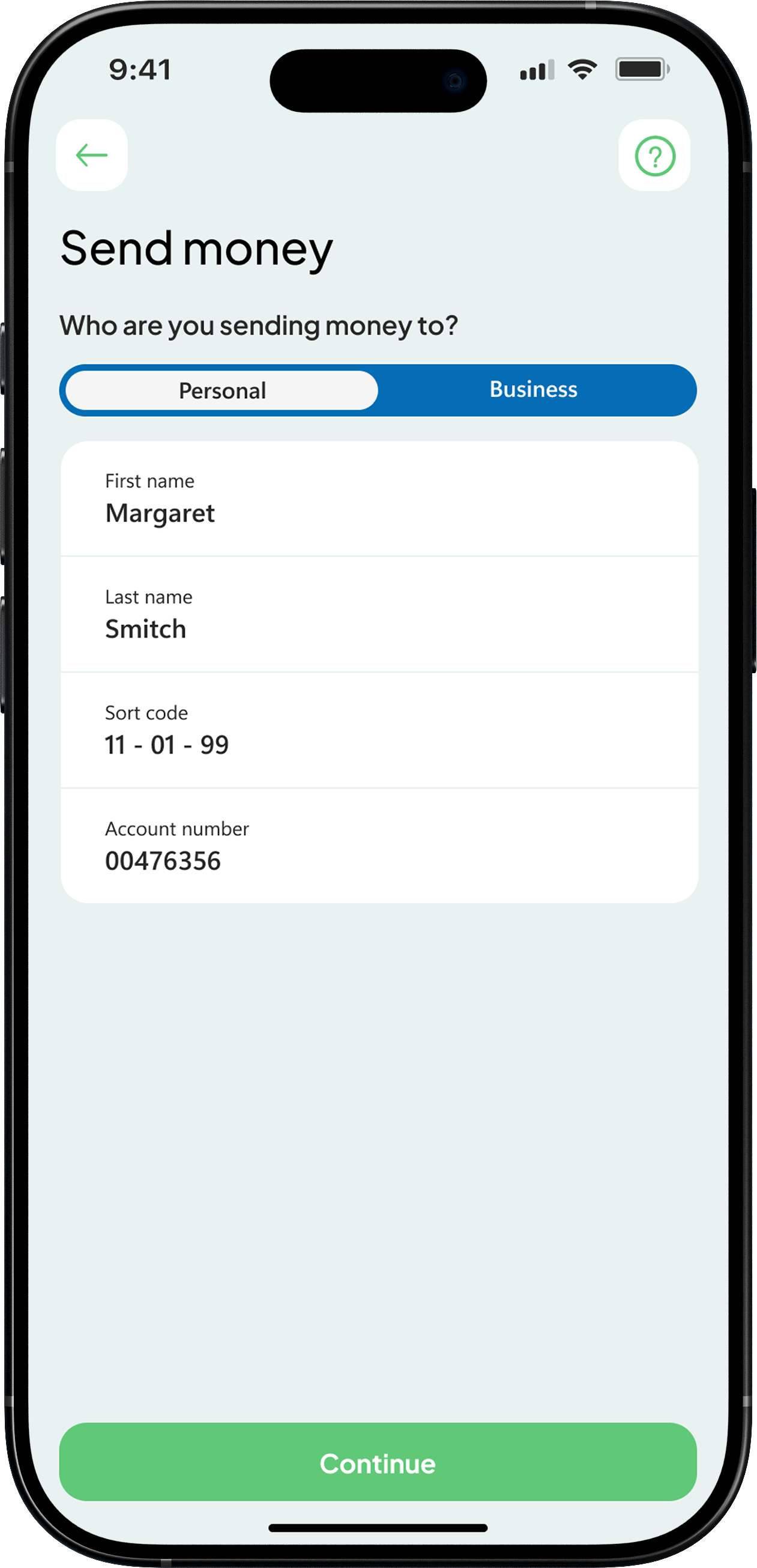
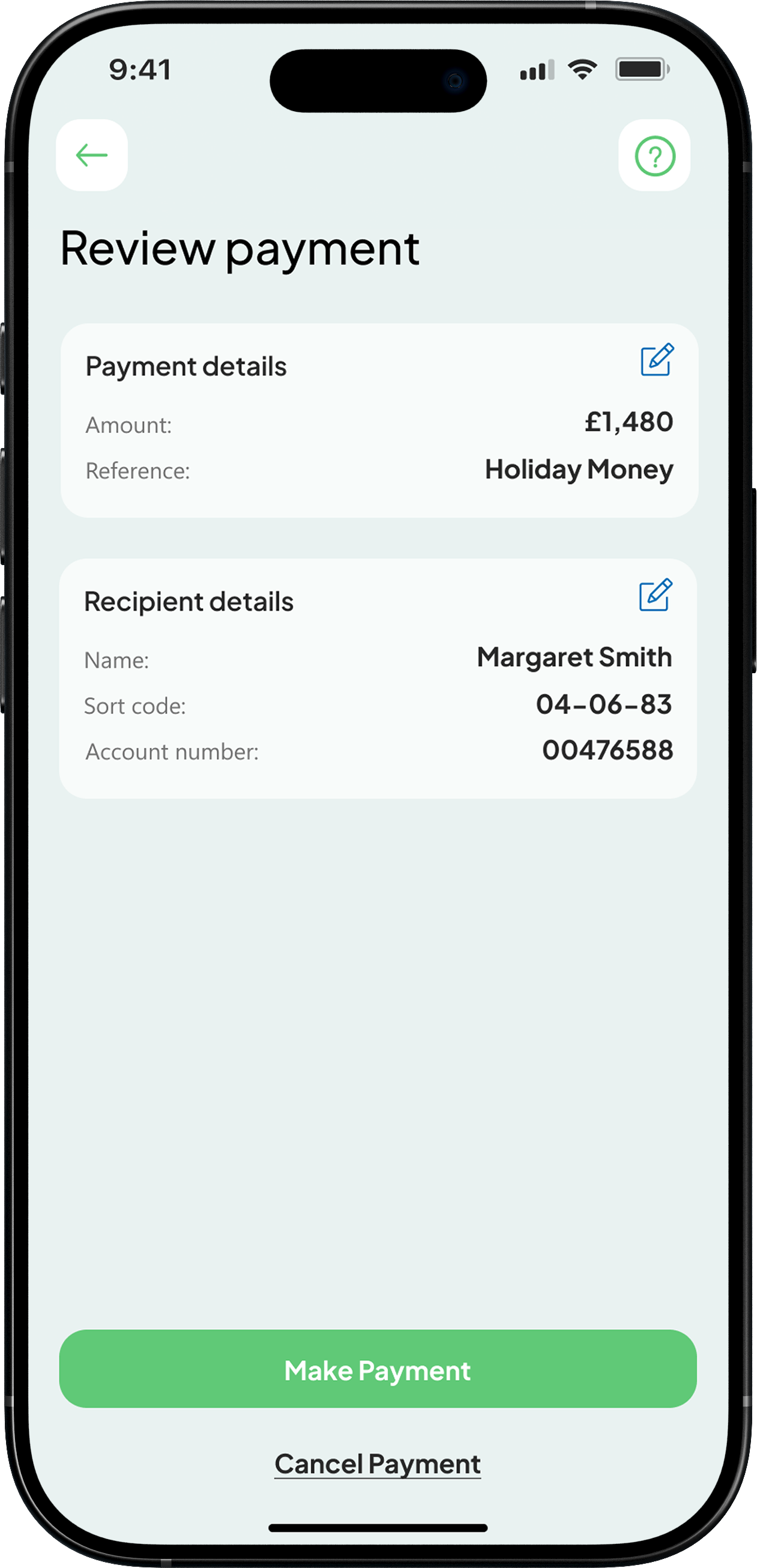
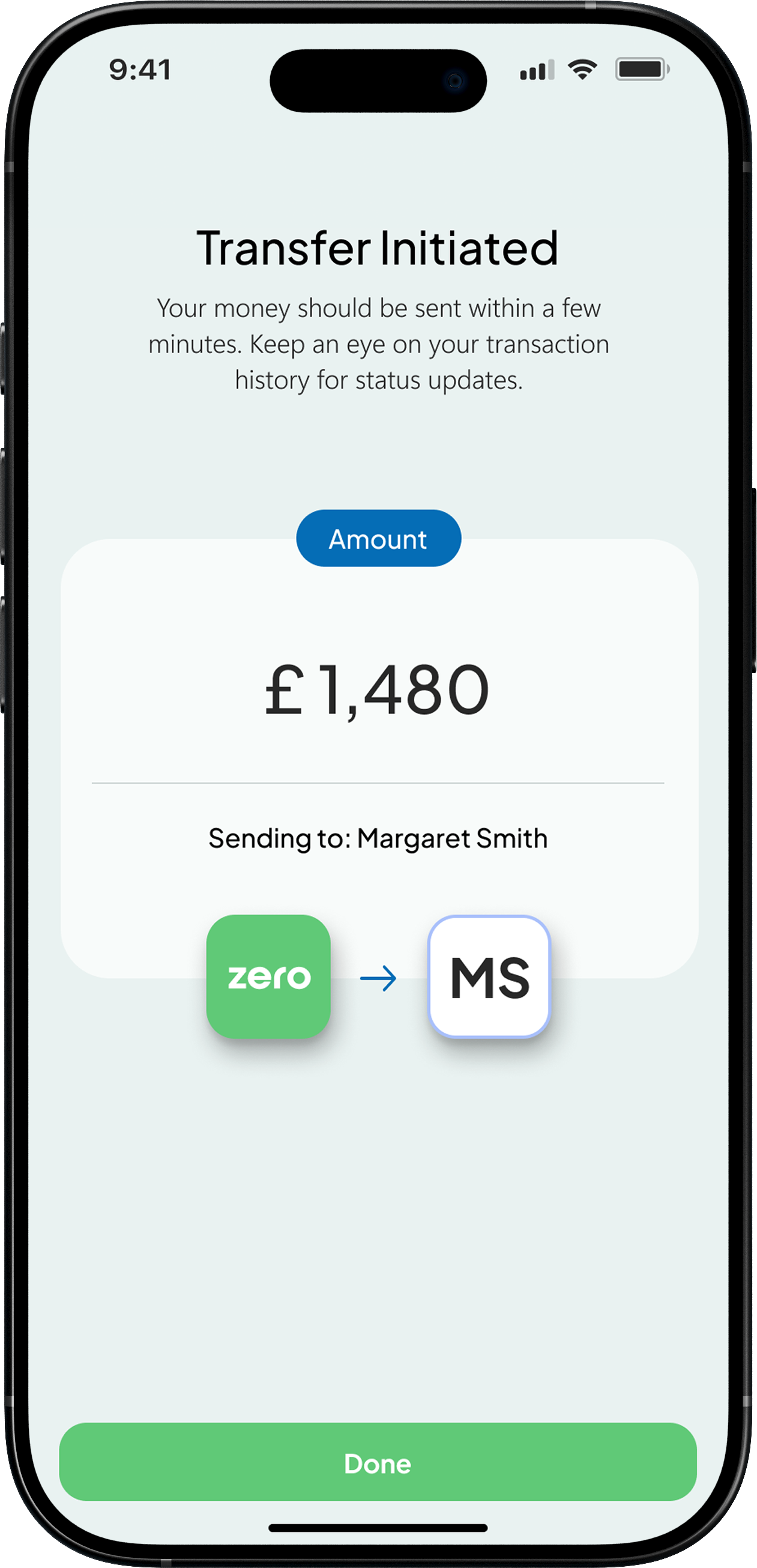
Understanding how users move through complex, high pressure journeys and making those experiences feel clear and reliable. This Faster Payments flow is a strong example of that, where speed, accuracy, and trust are critical. I focused on breaking the process down into simple, structured steps that guide the user with confidence, reducing friction and making sure each action feels safe and intentional. The result is a flow that supports a core user need while staying fast, predictable, and easy to use.
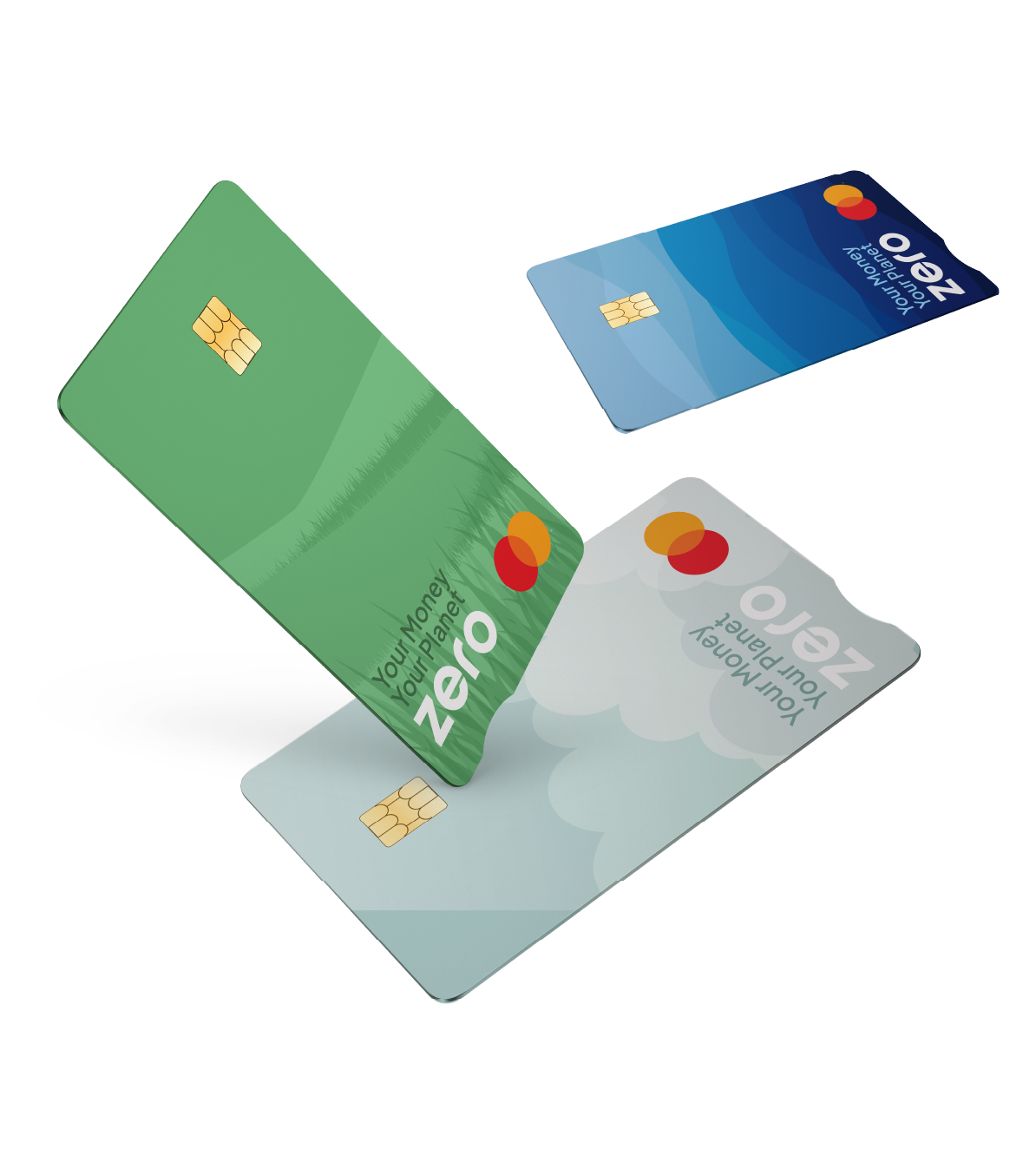
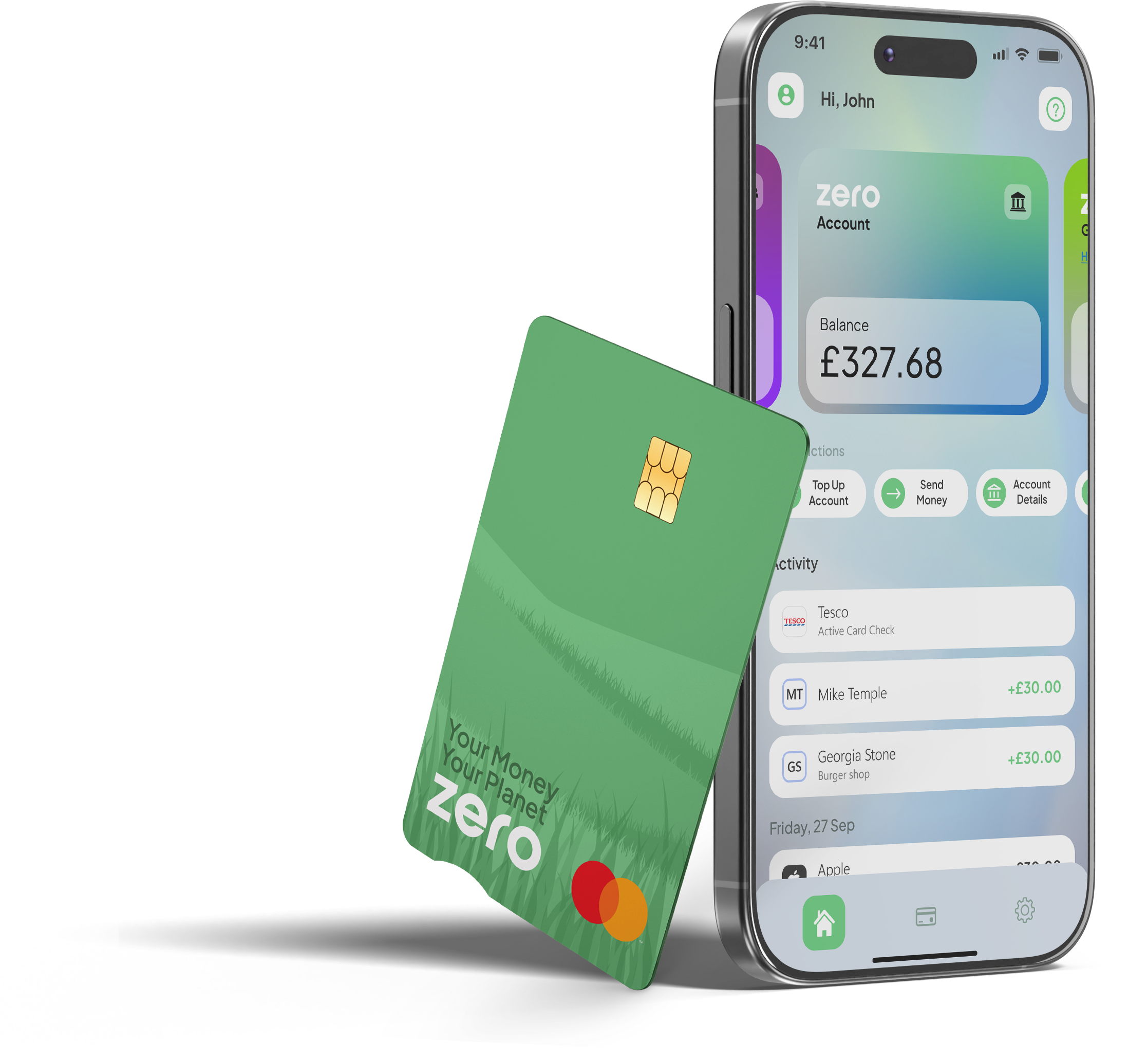
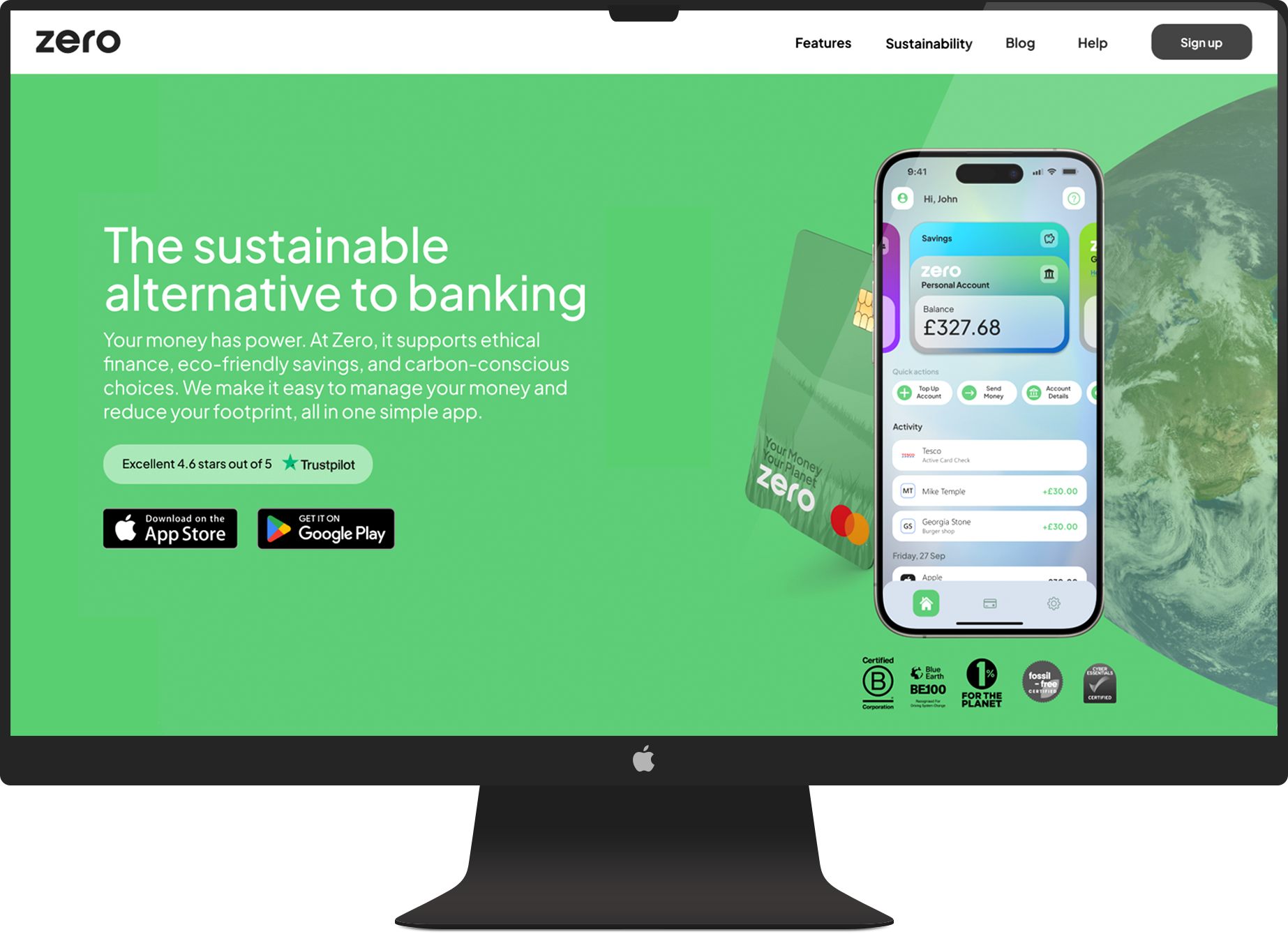
I focused on building trust through a clear and consistent visual identity that makes the product feel credible from the first interaction. In a space where users are naturally cautious, the goal was to create a calm, confident experience that feels reliable across every touchpoint. This extended beyond the interface into designing the debit cards and supporting marketing materials, ensuring the brand feels considered wherever users engage with it.
I developed a cohesive system across the app, website, and physical assets so everything feels aligned and intentional. The website was also recognised by HubSpot as one of the top fintech designs to take inspiration from, ranking #4,blog.hubspot.com/website/30-financial-website-designs-to-inspire-you, which reflects the strength of the overall direction. Showing both digital and physical outputs highlights how the brand carries through the full experience, helping the product feel more established and trustworthy from day one.
In more complex scenarios, a linear journey was not enough. Interactions involving KYC, external providers, and changing customer states required mapping multiple outcomes rather than a single path. This reinforced that product design is not always clear cut, requiring adaptability to real-world constraints while still delivering a clear and consistent user experience.
I moved from low to high fidelity to take ideas from rough concepts through to production. Wireframes let me quickly map out flows and structure, while high fidelity designs refined the detail, interactions, and usability. This kept things moving fast early on, while making sure the final experience was solid and ready to build.
Wireframe
Low fidelity
High fidelity
I used Figma prototypes to test flows and interactions, helping identify friction early and refine the experience before development. These prototypes were also used to align stakeholders and support early funding discussions.